WWE in the parlay spotlight: assessing multimatch betting trends from Raw to WrestleMania season 2026
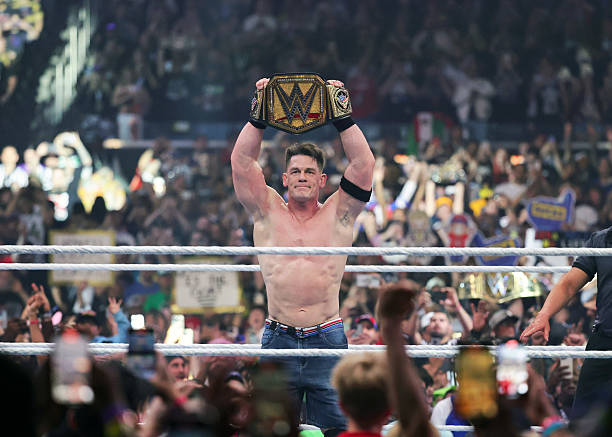
Interest in WWE betting has climbed sharply in 2025: you see it every time a major show rolls around. Royal Rumble 2025 generated the busiest betting activity in eight years, with wager volume more than doubling compared to earlier cycles. That deluge came from fans who combined multiple match picks into parlays, chasing higher returns with a single slip. Sportsbooks have responded by expanding prop markets, giving bettors even more angles to analyze before locking in their predictions.
As more platforms embrace entertainment wagering, you notice WWE sliding into the same interface where you might usually scroll past football or MMA markets. Even mainstream operators such as Betway have become familiar fixtures for fans looking to track odds or build parlays during marquee WWE weekends.
The broader trend reflects how WWE has unwound into a hybrid space: part entertainment, part speculative game for those who enjoy analyzing booking patterns as much as storylines.
Legal status and the scripted challenge
Because WWE outcomes are decided ahead of time, you might assume betting would be off-limits. Yet, in several major markets, including the UK and parts of Europe, WWE betting remains perfectly legal through licensed operators. Wrestling is treated similarly to political or entertainment wagering, where outcomes are known to a small inner circle but still generate legitimate speculative interest. Platforms typically cap stake sizes to manage insider information risk, which is why single wagers might be limited to moderate amounts.
Meanwhile, some U.S. jurisdictions bar WWE betting entirely due to concerns about integrity and the potential for leaks. That patchwork landscape pushes some American bettors toward offshore or international platforms, where operators like Betway quietly accommodate WWE wagers with controlled limits and reduced exposure.
As the 2026 Royal Rumble-WrestleMania season begins to slowly creep closer, legal discrepancies play a major role in shaping where and how fans build their multimatch tickets.
Why multimatch bets flourish
Parlays thrive in WWE because big cards naturally lend themselves to stringing together multiple outcomes. You glance at a lineup featuring championship bouts, grudge matches, tag matches, celebrity cameos and instantly see combinations that could multiply your stake. With WrestleMania 41 odds tilting in April toward strong favorites in certain title matches, fans were bundling seemingly predictable results into parlay legs.
SummerSlam 2025 markets showed similar patterns, where early favorites created the illusion of stability across several matches. When you combine that with the occasional long-shot win, like surprise results that shook the 2025 Royal Rumble last February, looking ahead to 2026, you get a perfect climate for bettors who enjoy taking calculated risks.
Using a platform such as Betway, you're able to assemble these multi-match combinations in a format that feels intuitive, quick and tailored to WWE's natural card structure.
Unpredictability, creative surprises and booking logic
Even if you've followed WWE for years, you know creativity can flip everything without warning. A match that looked predictable on paper can turn sideways because a new story angle is launching or a star is about to receive a major push. Honestly? That volatility makes parlays genuinely risky: one unexpected finish wipes out your entire slip. After WrestleMania 41, for example, odds on the Intercontinental Championship match shifted dramatically as backstage plans developed, proving how fragile early projections can be.
Meanwhile, injuries, travel issues and internal rewrites also swing odds at the last minute, which means your parlay can become misaligned with creative decisions you'll never hear about until the show airs. Operators like Betway handle this by tightening limits and adjusting markets closer to bell time, protecting both the platform and the integrity of the betting pool.
For you as a bettor, that means understanding the difference between analyzing sports performance and decoding creative direction, as a gap that makes WWE parlays uniquely thrilling but inherently unstable.
Strategic parlaying
With WrestleMania long in the books and slowly gearing up for 2026, reviewing outcomes can inform smarter parlay strategies for next year. Focus on matches backed by consistent booking patterns (world title bouts, ongoing rivalries, or bouts featuring heavily favored contenders) and blend in one or two calculated gambles, such as a mid-card match where an underdog’s storyline momentum exceeded expectations.
In this context, platforms like Betway continue to make comparison shopping easier, letting you view implied probabilities side by side so you can form combinations that feel balanced rather than reckless. Limiting parlays to three or four legs still gives you a fighting chance without stretching exposure across every upcoming show.
Even coming to the end of the year, sudden creative shifts can derail long shots, so shorter parlays help preserve gains and minimize frustration.
The future of WWE parlay betting: what to watch
As WWE expands globally and pushes deeper into streaming partnerships, interest in betting markets will continue to grow. More international regions may legalize entertainment wagering, pushing WWE odds into mainstream visibility during peak seasons like the Rumble-to-Mania stretch. In 2026, operators such as Betway will likely refine their WWE offerings by improving live-market clarity, adjusting stake ceilings and experimenting with specialized promotions around major events.
That shift could pull even more fans into the parlay space, particularly those who enjoy reading booking tea leaves or predicting long-term story arcs. And, as data models develop, some sportsbooks may start factoring in historical booking patterns, character momentum and storyline cycles to shape sharper pre-event prices.
Yet, the core challenge remains: scripted outcomes introduce a volatility that differentiates wrestling from any conventional sport.